MAB Unesco, il forum mondiale con al centro uomo e biosfera
È iniziata la settimana MAB Unesco che coinvolge non solo il Parco del Delta del Po, sia Veneto che dell’Emilia Romagna, ma anche il Parco dei Colli Euganei diventato Patrimonio dell’Umanità nell’anno 2024
Con oltre 200 giovani arrivati da 142 Paesi, il Delta del Po e il Parco dei Colli Euganei, si apprestano a vivere una settimana densa di impegn
È iniziata la settimana MAB Unesco che coinvolge non solo il Parco del Delta del Po, sia Veneto che dell’Emilia Romagna, ma anche il Parco dei Colli Euganei diventato Patrimonio dell’Umanità nell’anno 2024
Con oltre 200 giovani arrivati da 142 Paesi, il Delta del Po e il Parco dei Colli Euganei, si apprestano a vivere una settimana densa di impegni al fine di contribuire alla realizzazione una lista di punti fondamentali per costruire e migliorare il rapporto tra uomo e ambiente.
Questa sfida iniziata nel 1971, nel 1976 vennero istituite le prime riserve della biosfera, si pone l’ambizioso obiettivo di costruire insieme ai giovani una rete di idee che possano diffondere la cultura del territorio, l’amore per la natura ed il rispetto per il pianeta, infatti l’acronimo MUB – man and the Biospere – indica il rapporto che intercorre tra l’uomo e la biosfera
Il network Unesco globale, noto come World Network of Biosphere Reserves, conta ad oggi oltre 780 siti, dati Unesco, ma si spera che questo numero possa salire.
Durante questa settimana verranno affrontati diversi temi quali il cambiamento climatico, la tutela della biodiversità, la sostenibilità ambientale insomma quegli argomenti che occupano poco spazio all’interno dei dibattiti, anche politici, ma che sono fondamentali per il futuro dell’essere umano, degli animali e, di conseguenza, delle indispensabili fonti di sostentamento.
Durante questa settimana gli impegni che vedranno al centro i giovani saranno molteplici in modo da offrire loro un quadro territoriale ed esperienziale realizzabile solo abitando e vivendo il territorio. Ogni giornata si concluderà con un resoconto ed una valutazione di quanto si è potuto apprendere, valutare e considerare in modo da arrivare alla fine del “percorso MAB” con una visione chiara che porti alla definizione di un rapporto scritto che identifichi le cose da migliorare, quelle da fare e quelle da consolidare con l’augurio che progetti come questo possano moltiplicarsi nel corso degli anni.
Non dobbiamo, però, dimenticare il ruolo primario che spetta a chi ha il compito politico di gestire questi territori perché se da un lato si cerca e si vuole la collaborazione dei giovani affinché si possa aprire ad una visione più ampia dedicata ad un futuro migliore per gli esseri viventi e per il pianeta, dall’altra serve la migliore gestione tecnica possibile affinché i risultati di queste iniziative non restino soltanto una bella esperienza “a tempo determinato” ma diventino abitudine, anche comportamentale, di approccio verso il territorio non solo da parte dei turisti, sia di prossimità che non.
Diventa quindi auspicabile che la parte politica interessata della gestione dei parchi possa proseguire quanto questi giovani indicheranno attraverso una serie di azioni virtuose non solo in seno a possibili e molteplici iniziative ludiche e di comunicazione ma anche attraverso l’attuazione di politiche virtuose che diano ulteriore valore all’idea MAB Unesco.
MUB UNESCO, the global forum focusing on humanity and the biosphere
The UNESCO MAB Week has begun, involving not only the Po Delta Park, both in Veneto and Emilia Romagna, but also the Euganean Hills Park, which will become a World Heritage Site in 2024.
With over 200 young people arriving from 142 countries, the Po Delta and the Euganean Hills Park are preparing for a week packed with activities aimed at contributing to the implementation of a list of key points for building and improving the relationship between humanity and the environment.
This challenge, which began in 1971—the first biosphere reserves were established in 1976—has the ambitious goal of building, together with young people, a network of ideas that can spread local culture, a love of nature, and respect for the planet. Indeed, the acronym MUB—man and the Biosphere—indicates the relationship between humanity and the biosphere.
The global UNESCO network, known as the World Network of Biosphere Reserves, currently includes over 780 sites, according to UNESCO data, but it is hoped this number will increase.
During this week, various topics will be addressed, such as climate change, biodiversity protection, and environmental sustainability—in short, those topics that rarely occupy much space in current debates, including political ones, but which are fundamental to the future of humanity, animals, and, consequently, essential sources of livelihood.
This week, young people will be involved in a variety of activities, offering them a territorial and experiential framework that can only be achieved by living and experiencing the area. Each day will conclude with a summary and evaluation of what has been learned, evaluated, and considered, so that the “MAB journey” can be concluded with a clear vision that will lead to a written report identifying what needs to be improved, what needs to be done, and what needs to be consolidated. We hope that projects like this will multiply over the years.
However, we must not forget the primary role of those with the political responsibility of managing these areas. While we seek and desire the collaboration of young people to open up a broader vision dedicated to a better future for all living things and the planet, we also need the best possible technical management so that the results of these initiatives aren’t just a pleasant, “temporary” experience, but become a habit—even a behavioral one—of approaching the area, not only for tourists, both local and otherwise.
It is therefore hoped that the political parties involved in park management can continue the work these young people are demonstrating through a series of positive actions, not only through a variety of recreational and communication initiatives, but also through the implementation of positive policies that further enhance the UNESCO MAB concept.
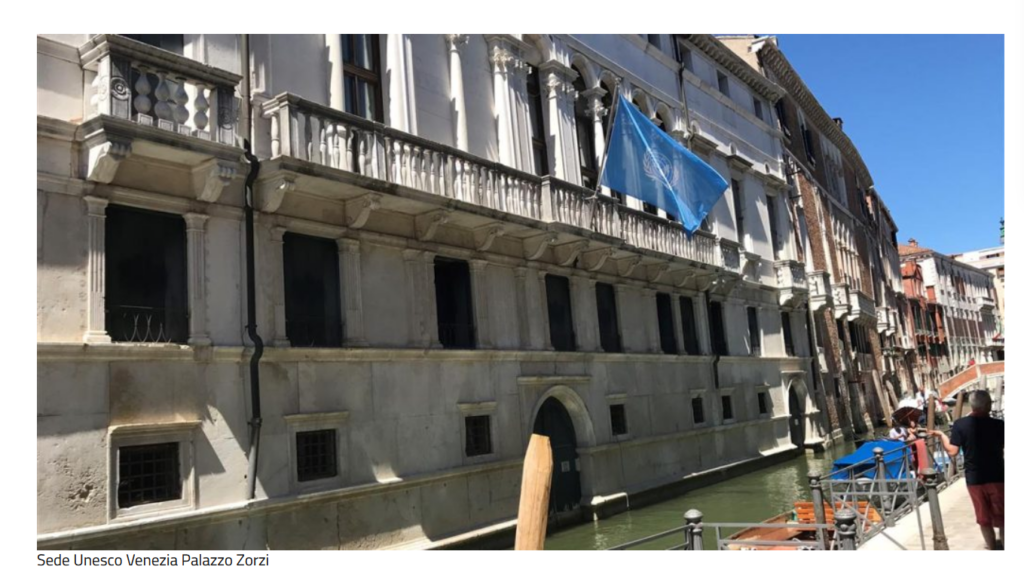
Foto www.Unesco.it

2 thoughts on “MAB Unesco, il forum mondiale con al centro uomo e biosfera”
Comments are closed.